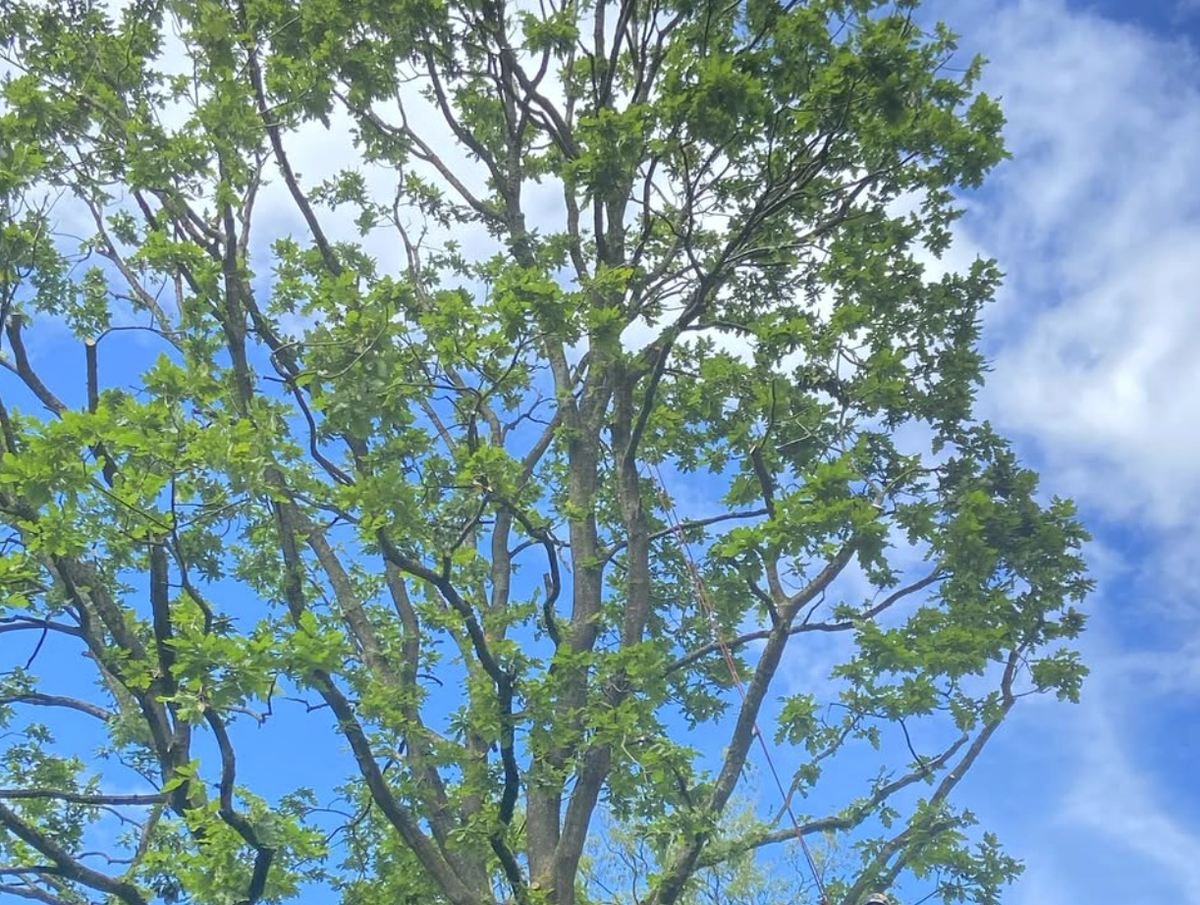
In short
Pollarding is a pruning system in which a tree's branches are cut back to fixed points, called pollard heads or knuckles, on a cycle of one to five years. Limes, willows and planes suit it well. A tree that was pollarded in the past needs re-pollarding regularly, because heavy regrowth from old heads can tear away.
Starting a pollard, and keeping one
The best time to begin a pollard is when the tree is young, by cutting the main stems at the height where the framework should sit. From then on, the new shoots are removed back to the same knuckles each cycle. Cutting a big mature tree off part way up is a different thing altogether, and we would not advise it.
The job we meet most often is a lime or willow pollarded long ago and then forgotten. Its long, heavy poles are only loosely joined to the old heads. Taking it back to the framework, perhaps over two visits, makes it safe.
Species that pollard well
- Common lime, frequent in large Victorian gardens.
- Willow, often found by becks and ponds.
- London plane.
- Hornbeam and some fruit trees, on traditional sites.
Mature beech and birch cope badly with pollarding. For those we would recommend a light reduction.
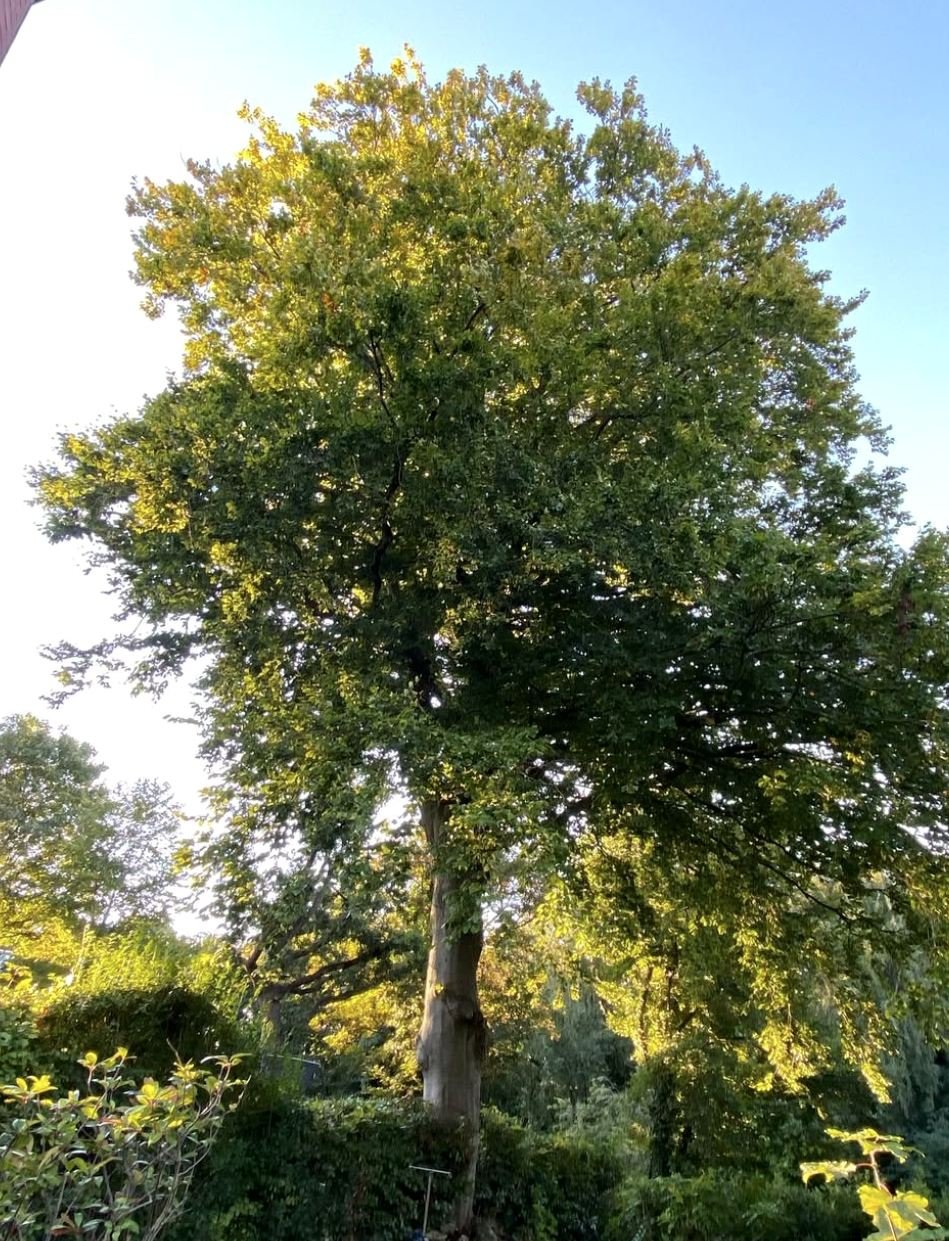
Pollarding with GreenForge Leeds
- Based in Leeds and used to its terraces, villa gardens and green belt plots.
- Protected tree checks before every quote, with council paperwork done for you.
- One fixed price in writing that already includes the clear-up.
- Honest advice, including when a smaller job will do.
Common questions
How often should a pollard be cut?
Every one to five years depending on species. Willows may need cutting every two years and limes every three to five.
Is pollarding the same as topping?
No. Pollarding is a planned, maintained system started on young trees. Topping a mature tree is poor practice.
When is pollarding done?
Late winter, before the buds open, for most species.
Useful reading: Best time to prune
Pollarding across Leeds
Our pollarding work reaches right across the district, including: